


Last Updated: October 25, 2026
Quick Summary
A virtual run in the UK lets you choose your own route, time, and pace, then submit your results to earn a medal and join a global community of runners. Unlike traditional races, there’s no travel required, no registration queues, and no pressure to keep up with others, making it perfect for busy schedules and unpredictable routines.
- Virtual 5K events need four to six weeks of training and suit beginners with packed schedules
- Track your distance using GPS watches, Strava, Nike Run Club, or Runkeeper, then screenshot and submit as proof
- Community features like leaderboards, charity tracking, and shared goals keep motivation high between runs
- Medals provide tangible proof of achievement and many events support UK charities
- Distances range from 5 km to 2,000 miles, so you can find a challenge that matches your current fitness level
Table of Contents
- What Makes Virtual Run Events Different
- Virtual Running Challenges: Finding Your Fit
- Virtual 5K Events for Beginners and Busy Schedules
- How to Track Virtual Marathon Progress
- Virtual Race Apps and Community Features
- Medals, Charity and Real Accomplishment
- Getting Started with Your First Virtual Run
- Frequently Asked Questions
What Makes Virtual Run Events Different
A virtual run in the UK gives you the freedom to race on your own terms. You choose the route, the time, and the pace, then submit your results to earn a medal and join a global community of runners. Unlike traditional in-person races, there’s no queuing at registration, no waiting for the gun to fire, and no pressure to keep up with strangers. You’re competing against your own goals.
This flexibility matters more than most guides acknowledge. According to SportsShoes Running Report: Running Statistics 2026, 6% of the UK population wants to start running in 2026, yet many struggle to find events that fit busy schedules. Virtual running challenges solve this. You run when you’re ready, where you’re ready. The structure of a timed event keeps you accountable without the logistics of travel.
The real difference between a virtual run in the UK and a traditional race comes down to accessibility. Parents, people in rural areas, shift workers, and anyone with an unpredictable schedule can participate. Virtual Pace Series and Find a Race virtual running platforms describe events where participants complete distances from any location during the event window. That’s not just convenient, it removes the barriers that stop people from racing altogether.
Our products span everything from 5K challenges to full marathons, all designed around this principle: running shouldn’t require perfect conditions or perfect timing.
Virtual Running Challenges: Finding Your Fit
Virtual running challenges range from short, achievable distances to ultra-marathons that test serious endurance. The variety matters because motivation comes from choosing a challenge that matches where you are right now, not where you think you should be.
Virtual Racing UK offers challenges from 5 km up to 2,000 miles, covering everything a runner might want to attempt. Some people are drawn to monthly challenges that build consistency. Others want a single big goal, a half-marathon or full marathon, to train toward. The structure you choose shapes how you approach your training and how long you stay engaged.
What most guides miss is that the best challenge isn’t the longest or the most prestigious. It’s the one that fits your life right now. A parent juggling work and school runs benefits from a flexible 5K challenge more than a rigid 12-week marathon program. Someone returning to running after years away needs a stepping stone, not a leap. The platform you choose should offer enough variety that you find something that clicks.
Community features amplify motivation. Virtual Runner UK describes events with charity running, medals, and community features, which means you’re not just running alone, you’re part of something. Seeing other participants complete their distances, contributing to a shared charity goal, or competing on a leaderboard transforms a solo effort into a shared experience.
Virtual running platforms offer a range of distances to suit different runners and goals.
| Distance | Best for | Key feature |
|---|---|---|
| 5 km | Beginners and busy schedules | Four to six weeks training needed |
| Half-marathon | Intermediate runners | Longer goal to train toward |
| Full marathon | Serious runners | Full endurance challenge |
| Up to 2,000 miles | Ultra-distance runners | Monthly or extended challenges |
Virtual 5K Events for Beginners and Busy Schedules
A 5K is the sweet spot for runners building consistency. It’s short enough to fit into a packed week, long enough to feel like a real achievement, and repeatable enough to become a habit. For beginners, a virtual 5K removes the intimidation factor of a crowded race environment.
The 5K distance works because it doesn’t demand months of training. Four to six weeks of regular running prepares most people. You can train on your own schedule, run the event whenever you want during the event window, and have a medal waiting at the finish line. That’s powerful motivation.
Join exciting 5K virtual races that let you run anywhere. The structure of a named event, even a virtual one, changes how you approach your training. It’s no longer “I’ll try to run more this week.” It becomes “I’m running a 5K on the 15th, and I’m going to submit proof.” That commitment drives consistency.
Busy schedules are exactly why virtual 5K events work. You don’t need to be free on a specific Saturday morning. You run Tuesday evening after work, or Sunday at dawn, or Wednesday lunchtime, whenever your life allows. The event doesn’t move; you fit it into your calendar.
How to Track Virtual Marathon Progress
Tracking distance accurately matters more in virtual running than in traditional races. You can’t rely on the race route markers. Instead, you need a system that verifies your distance without requiring expensive equipment or complicated submission processes.
Most runners use one of three methods. GPS watches record your run with precise distance data. Running apps like Strava, Nike Run Club, or Runkeeper track your route and distance automatically. Both methods create a digital record you can screenshot and submit as proof.
Track virtual marathon progress step-by-step using GPS watches, running apps, and submission methods. The key is choosing a tracking method you’ll actually use consistently. A GPS watch is reliable but requires an upfront investment. A running app is free and works on any smartphone. Both produce the evidence you need to confirm your result.
The submission process should be straightforward. You upload a screenshot of your completed run, the app verifies the distance and time, and your result is recorded. Clean, simple, no bureaucracy. That’s how it should work.
Virtual Race Apps and Community Features
The right app transforms a solitary run into part of something bigger. Community features, leaderboards, shared goals, charity tracking, and social feeds, keep you engaged between runs and motivated during them.
Apps differ in how they build community. Some emphasise competition with leaderboards that rank runners by speed or distance. Others focus on collective goals, where all participants together work toward a shared target. Some highlight the charity element, showing real-time fundraising totals and impact. The best apps combine all three.
What matters most is that the community feels real, not artificial. Seeing other runners complete their distances, reading their stories, or knowing your run contributes to a charity goal creates accountability and connection. You’re not running alone in your living room, you’re part of a movement.
Look for apps that make sharing easy. The ability to post your result, celebrate with others, and see the broader community in action keeps motivation high. A good app also sends reminders without being intrusive, tracks your progress over time, and makes the submission process frictionless.
Medals, Charity and Real Accomplishment
A medal might sound like a small thing. But holding physical proof of your achievement changes how you feel about your effort. It transforms a number on a screen into something tangible, something you can display or wear, something that says “I did this.”
Virtual running challenges combine three powerful motivators: the medal itself, the charity impact, and the community recognition. You run, you earn a medal, and your entry fee or a portion of it goes toward a cause you care about. That’s not just a race, that’s meaningful action.
Explore virtual running challenges that offer medals as rewards. The charity element is crucial. Knowing that your entry fee funds cancer research, mental health support, or youth running charity projects gives your effort purpose beyond personal fitness. The numbers matter: according to the research, virtual running platforms have raised thousands of pounds for causes across the UK.
What separates a medal from a trophy is authenticity. A virtual medal should feel earned, not handed out. That’s why tracking matters, why submission matters, and why the event structure matters. When you know the medal represents a real distance run, a real commitment kept, it means something.
Getting Started with Your First Virtual Run
Starting is simpler than most people think. Find an event that matches your goal, register, train at your own pace, run when you’re ready, and submit your proof. That’s the entire process.
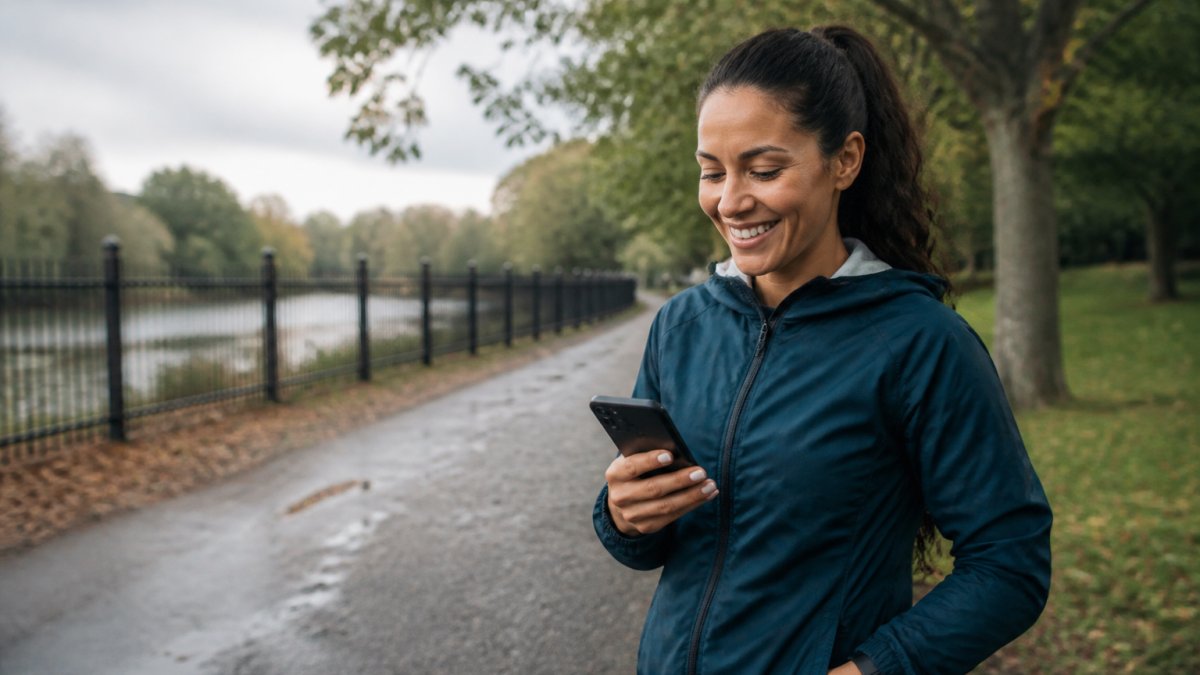
The first step is choosing your distance and event. Are you starting from scratch, or building on existing fitness? A 5K is the perfect entry point for most beginners. It’s achievable, it’s motivating, and it builds confidence for longer distances later.
Once you’ve registered, your training is entirely yours. There’s no prescribed plan, no required pace, no pressure to follow someone else’s schedule. You can use a training app, follow a free plan online, or simply build up gradually on your own.
Submit your evidence easily after you’ve completed your distance. Most platforms let you upload a screenshot of your running app, your GPS watch data, or a photo of your completion certificate. The process takes minutes.
Watch out: don’t overthink the submission. The platform’s instructions are clear. Follow them exactly, screenshot the right screen, upload the right file format, include the right information. A simple mistake in submission can delay confirmation, so read the requirements once before you run, not after.
The first run is the hardest mentally. You’re wondering if you’ll actually finish, if the medal will feel real, if this whole thing will actually keep you motivated. The answer is yes, but only if you commit to the process. Sign up, train, run, submit.
Starting your first virtual run in the UK removes the barriers that stop people from racing. You’ve got the flexibility to fit training into your life, the structure of a real event to keep you accountable, and the tangible reward of a medal at the finish line.
Frequently Asked Questions
What is a virtual run and how does it work?
A virtual run is a race you complete at your own pace, location, and time within specified event dates. Instead of gathering at a start line, you run your chosen distance, typically 5km, 10km, half-marathon, or marathon, anywhere you prefer: your local park, a treadmill, or country roads. You then submit your time and proof of completion to the platform, which verifies your result and awards a medal. Virtual run platforms combine the structure of a traditional race with complete flexibility, making them ideal for runners balancing work, family, or geographical constraints.
How do you track virtual marathon progress effectively?
Most virtual race apps let you log runs directly through their platform or sync with fitness trackers like Strava or Garmin. Record your distance, time, and route each time you train. Many platforms show your cumulative progress toward the full marathon distance, breaking it into segments so you can see how close you are to finishing. This visual feedback keeps motivation high. Some runners use a simple spreadsheet or running watch to track splits and pace, then upload the final result when they complete the full distance. The key is consistency: log every training run so you stay accountable and see tangible progress.
Are virtual runs suitable for beginners and people over 40?
Yes. Virtual runs remove the intimidation factor of crowded in-person events. You can walk, run, or mix both at your own pace without pressure from other competitors. Many platforms offer distances starting at 5km, which is manageable for beginners. The flexibility to train over several weeks means you can build fitness gradually. Runners over 40 appreciate the low-impact option of running on familiar terrain and the ability to rest or adjust training around life commitments. Community features and medal rewards provide motivation without the physical or emotional strain of racing alongside faster runners.
Can you complete a virtual run on a treadmill?
Absolutely. A treadmill run counts as long as you complete the required distance and submit your time to the platform. Many runners prefer treadmills for consistency, especially in bad weather or when childcare makes outdoor running difficult. You simply log your distance and time after finishing, just as you would for an outdoor run. Some platforms accept GPS data from your watch or phone if you run outdoors, or manual entry if you use a treadmill. The flexibility to choose your environment, road, park, or gym, is one of the biggest advantages of virtual running.
