Getting Rid of Muscle Soreness after a Run

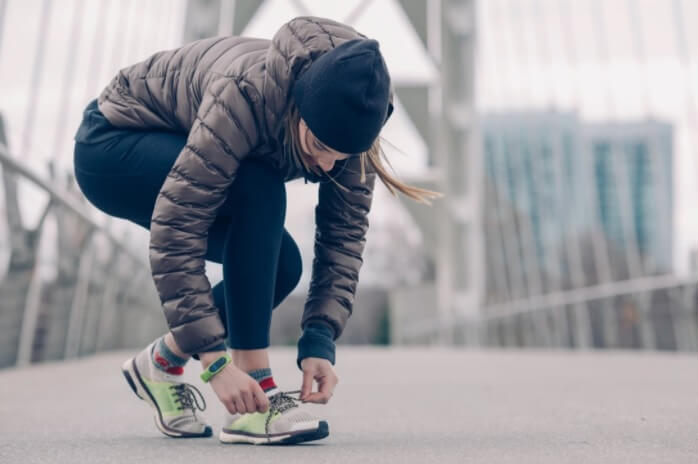
Muscle Soreness is a sensation of acute pain in the muscle due to inflammation and temporary breakdown of the muscle, especially after eccentric exercise. If you notice pain after physical activity, don’t worry, it is inevitable. However, there are several techniques and foods to help prevent muscle soreness. Pain in the muscles that do not allow you to walk or move your arms the day after going to the gym, going for a run, or doing an exercise bike is very common. It can occur when a person who leads a very sedentary lifestyle and suddenly begins to do more physical activity, or when he goes from a training rhythm to a more demanding one. The idea that the accumulation of lactic acid caused muscle pain was discarded. Therefore, soreness is caused by micro-injuries (some call them “micro-tears”) in the exercised muscle. Strategies to getting rid of muscle soreness after a run Fortunately, several strategies help alleviate sore muscles after exercise. Many of them come to be very simple pre-care, as you can see below. 1.   Eat well and drink enough water Muscles are sore and therefore need a good dose of protein, ‘good’ fats, and carbohydrates. You also need to drink enough water before, during, and after the routine. It is vital since this makes it more difficult for muscle cramps to appear. 2.   Apply an ice pack Ice packs can help relieve discomfort. However, to not burn the skin, it is advisable to wrap them in a clean, fine, and dry cloth or gauze. If you do not have a gel compress, you can improvise one with a few ice cubes wrapped in a cloth (so as not to burn the skin) and applied to the area of pain to help reduce inflammation. Keep it on the area for a while and wait a while to repeat the procedure if you consider that you still have discomfort. All of this will help you relieve sore muscles. You can also resort to the interleaved application of cold-heat. 3.   Practice “active recovery” This means that you have to keep exercising or moving even if your muscles hurt, but not with the same intensity that caused the problem. For example, if running hurts, try walking or jogging; if you use a barbell with a high weight, try simple push-ups; cardio exercises are perfect, as well as yoga or Tai Chi. All of this serves to eliminate pain and stiffness by stimulating blood flow. 4.   Rest After active recovery, but also taking into account the weekly repetitions of the exercise. At first, the maximum is three times a week, 60 to 90 minutes each day. 5.   Massage the sore area If your legs or stomach hurt a lot, for example, go for massages to relax the tension. If you like, you can also go to a “traditional” massage center or even do it yourself or ask your partner or a relative to please do it for you. Another option for massages is to buy specific utensils for it. There are excellent portable electric massagers, foam rollers, or heating pads. A session of this type of massage should not be longer than 20 minutes. 6.   Apply heat to the worked muscle soreness area As a complement to the previous point, the application of heat can contribute to the relief of muscle aches caused by exercise and also by bad posture. This is because the body “carries” more blood to that area. In addition to the pad, you can take a very hot shower, go to a sauna or take a soaking bath with hot water and salts. The ideal would be to intersperse the application of cold and heat to obtain better results. What else can I do to help prevent muscle soreness? In addition to putting the aforementioned into practice, you can resort to the following tricks to help prevent soreness and relief pain. Note: remember that if the discomfort intensifies and lengthens over time, it is best to go to your doctor and, later, to the physiotherapist. 1.   Alternate hot and cold Many athletes apply ice and heat alternately to recover faster. The former serves to reduce inflammation and the latter to increase blood flow to sore muscles. Available options include turning the hot water on and off in the shower or using an ice pack first, drying, and padding. You can repeat this as many times, but always starting with the cold. 2.   Take a bath with Epsom salts Although it is not scientifically proven that this provides benefits, it is said that taking a bath for 20 minutes maximum with 300 grams of Epsom salts could help relax sore muscles and decrease inflammation. Magnesium sulfate would help prevent abdominal bloating. If you don’t want to take a bath, you can soak a cloth in hot water, add a few grains of this salt, and then apply it to the painful area. Some food remedies Ginger infusion Since ginger has anti-inflammatory properties, it is said that consuming a drink (hot or cold) containing this food could contribute to relief. One of the simplest ways to benefit would be to take some fresh ginger and prepare an infusion with it. Do an excellent job of stretching back Stretch your muscles well after exercise. This helps relieve muscle pain. Stretch well, just like you do at the beginning of the routine. But not until it hurts, just until the moment you feel the tension. Otherwise, you will feel more pain later. Truths about Muscle Pain This pain appears after carrying out new routines or more demanding exercises. The pain in the muscles occurs after a long period of inactivity or to maintain a sedentary life. You don’t need to take anti-inflammatory drugs to make the pain go away. These strategies to avoid muscle pain are varied and, therefore, may help some people and others not depending on the type of exercise performed. So it is recommended to try several until you find the right one. Likewise, it is advisable to visit the doctor when the pain from the shoelaces

How Running Helps Mental Health

Physical exercise has numerous health benefits. Whenever you exercise, chemicals (endorphins and serotonin) are secreted in your brain to improve your mood. An exercise like running helps mental health and runners liken the chemical releases to what is known as a runner’s high. Your heart pumps blood through your body faster, and your respiratory system gets more active as you begin to run. As you push yourself to go faster, your body starts releasing endorphins. These chemicals stimulate the body and result in the “runner’s high” where you feel happy and relaxed. Besides this “high” that improves your mood, running also provides several mental health benefits. Benefits of Running on Mental Health Running can give one an overall feeling of happiness, and the following are its benefits on a person’s mental health: • Reduces stress After your run, endocannabinoids flood your bloodstream and moves into the brain providing feelings of lowered stress and calm. This chemical substance is similar in characteristics to cannabis. • Boosts your mood Running decreases anxiety and depression. As blood circulates to the brain, the part that improves your mood is affected, causing some positive uplift in your current mood. • Helps recover from mental health symptoms Running is encouraged in therapy, and some studies show that regular running helps one recover from some mental illness symptoms. • Improves sleep The chemicals released during and after running are relaxing enough to induce deep sleep for the body. Consequently, a good sleep schedule is good for the brain. Even If you have insomnia, a moderate run can work as your sleeping pill. • Manages stress Running boosts the body’s ability to manage stress in a state of mental tension. It also increases norepinephrine, which moderates the brain’s response to stress. • Prevents cognitive decline Working out generally between age 25 and 45 prevents degeneration of the hippocampus in the brain, which is an integral part of memory and learning. Running helps slow this cognitive decline that begins in old age and improve overall brain performance. • A calm mind Running, whether on a sidewalk or treadmill, is an excellent coping mechanism when in a bad place mentally, as the chemicals released can help one feel calmer if experiencing anxiety. It also helps with your breathing. • More productivity Increased productivity sometimes is just a run away. It can be hard to squeeze a workout session into an already busy daily schedule. Still, research has shown that workers who exercise regularly are more productive, energetic, and creative than their less active peers. Tips to keep a running routine Many people find it challenging to keep up with a running routine or are just unmotivated. Here are a few tips to keep in mind to get moving as much as you can. 1. Get running 3 to 5 times a week Run for at least 30 minutes. Consistency is better than running long distances, so start small and set daily goals. It is imperative for improving your mental health. 2. Get a running buddy This is for accountability purposes. Finding a running partner will keep you accountable and help you stick to your running schedule. 3. Don’t be discouraged Especially when starting, it takes time for your body to get accustomed. You don’t need to be discouraged as it usually takes time to start running comfortably and keep up with a running routine. 4. Be mindful of your body If running stresses you out, you may want to slow down when running. You know your body best, so take cognizance of how you feel. How much running do you need before you get the benefits? With a few minutes of running, you can start to experience the mental health benefits listed above. For people who are already consistent, there are continued benefits from 30 minutes to about 300 minutes a week, where it does not make any much more difference. Are there added benefits from running with other people? Besides the several mental health benefits, running with other people provides added benefits in terms of engagement. There is a sense of social cohesion when we do things together as a group. Not everyone would want to run in a group, especially with the current pandemic, and it’s okay. Running activities that involve groups only have an added benefit in the social aspect. Going outside and being in an open space is helpful for our mental health. It brings a feeling of completing a goal making us feel good, just like when we run. So the next time you’re struggling to begin your morning run or thinking of sleeping in and missing your workout, remember all the benefits you’ll enjoy if you don’t. Share this blog Share on facebook Facebook Share on twitter Twitter Share on reddit Reddit Share on linkedin LinkedIn Share on pinterest Pinterest Share on tumblr Tumblr

Two Individuals Running During a Virtual Marathon Challenge on a Pedestrian Road Framed by Grass and Trees

What are Virtual Races, and Why Should You Participant in Them?

When the pandemic ravaged regular marathons, virtual marathons stepped in to help runners maintain their running schedules. Virtual races at The Running Bug involve a paid registration and reward like any regular race. However, their participants simultaneously run from their respective locations instead of gathering at one. Allow us to give you several reasons to participate in a virtual race. Virtual Marathons are Always Nearby Unlike traditional marathons, virtual marathons don’t require a specific location. You can live in the remote Hebrides and still make it to a virtual race because it takes place where you are at a given time. The nature of your ‘course’ only adds to the already convenient format. For instance, if you can’t run laps, you don’t have to. Similarly, if you run better in the evenings than mornings, you can pick and choose without letting your location limit your options. Virtual Marathons Guarantee Fitness Since you don’t have to travel for a virtual challenge, you don’t have to expose yourself to the drawbacks of travelling, especially when you may be required to travel for hours while wearing a mask.  Furthermore, if you’re not from the UK, you won’t have to travel long distances and face jet lag while participating in a UK-based virtual race. You’ll essentially be at the peak of health because you get to decide when and where to compete. Virtual Marathons Keep You Balanced Traditional marathons require the presence of an audience and in-person competition. The pressure of such an atmosphere may lead your body to release more adrenaline and stress hormones, elevating your heart rate before the race has even started. Conversely, virtual marathons are much quieter and steadier. They don’t excite and alter your body chemistry, so you’re more level-headed during the race. You’ll also be missing your fight or flight response during a virtual race, which would make it easier for you to maintain a steady pace—and heart rate. Virtual Marathons Contain Body Temperature There was a time when the idea of no snow in certain cities here in the UK was unheard of. Those times are long gone, replaced by bearably cold weather in the winters and unbearable warmth in the summers. All that to say: the warmer the weather, the more you’ll hate being in a crowd. Virtual marathons don’t have this problem. You usually complete them alone or with a small group of friends or family. Since there aren’t as many people, the weather only feels as stuffy as it should in the summers at your location. Sign up for a Fun Running Challenge at The Running Bug Sign up for a virtual running challenge at The Running Bug, and gear up for a 5K race with medals from your part of the world. Earn a 10 per cent discount upon joining our mailing list and participate in three virtual races with medals for a 50 per cent discount on your third race. Reach out for an answer to your burning questions. Share this blog Facebook Twitter Reddit LinkedIn Pinterest Tumblr

How To Breathe Your Way To Being A Better Runner

You can breathe your way to being a better runner with the right tips and be on your way to becoming a better runner. Breathing is natural, but the right breathing technique for running? That can take a little practice. It goes without saying that running can cause shortness of breath, but breathing too shallow can render you breathless even faster. If you want to bolster your running, pay some attention to your breath. It’s essential to tune into your breath and see how to use it to become a better runner. Why Does Breathing Help? Better breathing means better efficiency and ease, helping you to become the best runner you can be, in fact, it is crucial to becoming a better runner. When you start paying attention to your breath it is normal for it to feel a bit unnatural. But once you get the hang of it, you’ll notice how much better you feel. How do you breathe properly when running? To be on your way to being a better runner, first, you need to avoid breathing with just your chest. As strange as that sounds, this is known as shallow breathing, and if you’re just breathing with your chest, then you’re not getting the most out of those breaths.  Shallow Chest Breathing vs. Deep Belly Breathing You can achieve your dream of being a better runner when you breathe well. Always aim for deep belly breathing (also known as diaphragmatic) when running. This type of breathing will maximize your oxygen uptake and is just an all-round more efficient way to breathe. Deep Belly breathing ensures your entire lung capacity is used. When shallow breathing, the air does not remain in the lungs for a generous time and there is not a complete exchange of air (oxygen in – CO2 out). With Deep Belly Breathing, the air can move to the lower lung capacity, where it remains for enough time for proper oxygen intake and air exchange.  Here’s a little exercise to get you breathing better with your belly. Practicing Diaphragmatic Breathing Lie flat. You could lie on the sofa (you don’t have to lie on the hard floor). Place your hands on top of your belly.  As you begin to draw the breath in, feel that you are consciously aware of the breath entering your lungs, and as you breathe out, keep that same awareness as you feel your lungs expelling the air. Notice how your hands rise and fall with each breath.  On your next exhale, imagining your lungs are being completely emptied of all the air. This helps to engage your diaphragm, without you even realizing it. The more you practice, the more natural this will become. And before you know it, you’ll be running and breathing better.  On your next run, gently bring your awareness to your breath. Feel how your lungs strengthen and fill up with oxygen. Notice how they deflate and empty on the exhale. Just this simple awareness will bring a new quality to your runs. But don’t just take our word for it, go on and try it for yourself.  Did You Know? Oh, the dreaded stitch. We’ve all had one. But did you know that the stitch is a result of poor oxygen intake? If you were still on the fence about upgrading your breathing technique while running, this little fact is sure to convince you.  Benefits of Correct Breathing Helps to stay comfortable and relaxed Reduce tension in the upper back and shoulders Reduce strained blood vessels and blood pressure spikes Helps to maintain a good posture Increase lung function and cardio capacity Helps to find your rhythm Prevent stitches Okay, so you now know to engage your full belly when breathing, now, do you need to use your nose or your mouth? Nose vs. Mouth: the runner’s choice The main goal of better breathing is to enhance efficiency, right? You want to take in as much oxygen as possible and get rid of as much CO2 as possible.  But when breathing through your nose you can’t inhale nearly the same capacity as through your mouth. So, it seems natural to use our mouths when we feel we’re gasping for oxygen. But the nose is also better at filtering the air, allowing you to get better air quality.  The thing is, when you are pushing hard during a run, mouth breathing is better. But, when you are running at an easy pace, say on a recovery run, nose breathing could be more beneficial.  Your body will also let you know. If you think you’re running at an easy pace and trying to maintain it through your nose, your body will soon let you know in no uncertain terms when it needs more oxygen than you’re giving it through your nose.  Our bodies are incredible ‘machines’, or designs. A million processes are happening when we walk, never mind run. Learn to listen to it. Just like diaphragmatic breathing becomes a natural process, you’ll learn to listen to what it needs when running, and this goes for more than just the choice between the nose and mouth breathing.  How to Become a Better Runner, Naturally If you’re breathing well, then you’re running well- even if you’re running slow. And let’s just change that narrative really quick. Instead of calling it a slow run, let’s call it an easy run. Aim to run at a comfortable pace where you’re breathing still feels natural. When running, train your mind to be focused on your breathing and remind yourself to maintain natural, smooth breathing. Pay attention to the way the air feels, focus on how it feels as your lungs fill up and how your body responds when you’re breathing well.  Running is as much a mental thing as it is a physical thing. You can be on your way to being a better runner with practice and discipline. Training your mind to stay focused on your breathing can transform you into

best running community online

Light Up your Winter Runs

Now that the clocks have gone back, there is no denying that winter is well and truly on its way. With daylight hours reduced and a definite nip in the air, it’s by no means time to put your trainers away, but a reminder to get prepared for the season ahead! How to Prepare for Winter Runs First thing’s first, you need to be safe while out running, and with darkness settling in not much after 4pm, many of us will find ourselves having to run in the dark. Of course, this is not ideal but there are many running products out there which will help keep you visible to others, as well as lighting up the ground which can stop you from taking a tumble.​ Our Recommended Head Torches for Running Head torches are a night-runner’s best friend, but with so many on the market, how do you decide which one to go for? The main things to consider when buying touches and lights is how bright the light is, how heavy the kit is and how long the battery lasts. Get the Right Light for Running Brightness is measured in lumens and where you are running generally dictates how many lumens you will need in order to see and be seen. If you are running on street-lit pavements, around 50 lumens will be adequate, whereas if you are running on pitch-black trails or in thick woodland you are going to need many more; think numbers larger than 100. If trail runs in the dark are your thing, you might want to consider this heavy-duty torch from renowned manufacturer Petzl:https://www.amazon.co.uk/Petzl-Mixed-Headlight-Unisex-Actik/dp/B01KYTRJ8C/ref=sr_1_9?crid=37TTB7IQ8DTY7&dchild=1&keywords=running+head+torch+petzl&qid=1604337730&sprefix=running+headtorch+pe%2Caps%2C150&sr=8-9 Whilst it’s not the cheapest model on the market, it does offer 300 lumens and weighs in at 92 grams. You can choose from replaceable batteries (potentially useful if you are heading out on a long ultra-race), or can be used with rechargeable batteries. For a lighter and more affordable option, the Karrong Ultralight weighs only 42 grams, and is fully waterproof too:https://www.amazon.co.uk/Karrong-Ultralight-Induction-Headlight-Rechargeable/dp/B07RL6BM17/ref=sr_1_6?dchild=1&keywords=running+head+torch&qid=1604346536&sr=8-6 Our Recommended Reflective Running Equipment Reflective clothing is important when road-running, particularly at dusk or in the early morning when you might not necessarily need a head-torch, but visibility is lower and motorists might be less likely to see you. Investing in a reflective vest which can be worn on top of your usual running gear is a sensible idea. We like this one by Firefly Buddy which also comes with free reflective armbands:https://www.amazon.co.uk/Reflective-Running-Visibility-Reflector-Adjustable/dp/B0192RFUXS/ref=pd_bxgy_img_2/262-3083533-4674058?_encoding=UTF8&pd_rd_i=B0192RFUXS&pd_rd_r=8684dec4-686f-486f-b406-233c425e7f61&pd_rd_w=j9sKc&pd_rd_wg=btXRy&pf_rd_p=dcf35746-0212-418b-a148-30395d107b2d&pf_rd_r=E59E1FFYG5G7ZEEDH5CM&psc=1&refRID=E59E1FFYG5G7ZEEDH5CM Share this blog Share on facebook Facebook Share on twitter Twitter Share on reddit Reddit Share on linkedin LinkedIn Share on pinterest Pinterest Share on tumblr Tumblr

safe-running-lockdown

Safe Running During Lockdown

Are you looking for how to start safe running during lockdown? Find out in this article the essential things to follow Since the pandemic, most of us have been living our day-to-day lives within our homes. Covid-19 shut the world from going outside, and when we need to go out, we wear a mask and observe social distancing. As a fitness enthusiast, you must be missing the gym experience. And though people have found innovative ways to stay fit by doing home workouts, the difference is noticeable. Running, however, is usually an outdoor sport, and fortunately, some regions are starting to ease the lockdown allowing movement, although limited. If you happen to reside in these regions, you should take proper precautions before, during, and after heading out for a run. Here are top tips you should follow for safe running during lockdown: 1. No use of Headphones Natural sounds help your mental well-being. Leave the headphones at home and soak up your surroundings. There are many sounds you were not able to notice or experience since you were at home for so long. Hearing birds chirping, cool breeze whistling past, the smell of autumn, tree leaves bending to the wind’s will, etc., will boost your mood and make you appreciate getting out to run. 2. Go with accessories Wear a sports watch to keep track of time. Also, carry a water bottle with you at all times. Hydration is essential when running as you will sweat a lot. If you can’t hold one in your hand, carry it in a waist bag. 3. Wear the right clothes Wearing the proper clothing makes all the difference. Choose t-shirts that are light and absorb your sweat easily. Avoid wearing cotton. Wear loose sweatpants to have enough breathability. Also, wear light and comfortable shoes with cushions to help you have a smooth run and prevent blisters. 4. Observe safe social distancing Maintain a safe running distance of about 10 meters. The standard 2 meters does not apply here; that is for pedestrians. If running with another person, run alongside, not directly behind them. Respiratory droplets travel faster when running. Social distancing rules differ worldwide, but whenever you run, be responsible and ensure to keep your distance from others. It is also advisable to pick less busy routes and times. 5. Use your time wisely When you are out for a run, use your time wisely. Safe running also means you don’t stay out for too long. A half-hour run daily or every other day is great to maintain fitness. Make sure you gradually increase your steps and track this with your sports watch. 6. Find alternatives The current situation is unpredictable for the most part. You can explore indoor alternatives using the treadmill or other workouts besides running to strengthen your core. You can also engage in virtual running. A lot of material exists online to guide you. Final Thoughts Whenever you go out to run, ensure you are not crowded and keep a safe running distance. Wear a mask at all times except when running. Stay indoors if you’re in a hotspot location. Follow the guidelines for safe running. Take care of your health, and remember, we are in this together. Share this blog Share on facebook Facebook Share on twitter Twitter Share on reddit Reddit Share on linkedin LinkedIn Share on pinterest Pinterest Share on tumblr Tumblr

female running challenges online

Training for Your First Virtual Race

Useful tips on preparing for your first virtual race With the majority of big races cancelled, it has to be said that 2020 has been disappointing for those of us who enjoy the atmosphere and adrenaline of race day. That doesn’t mean you need to hang up your trainers, though. With an increasing number of virtual events on offer, now is the perfect time to start training for a race, whether that’s your first 5k or your fifth marathon. Just because you’re racing virtually, doesn’t mean it will be lacking in exhilaration! Follow our top tips to make sure you get the best from your first virtual race. 1. Plan Your Route Whether it’s 5k or a marathon, you need to cover the distance and you’ll need to know how you’re going to do this well in advance of race day. Using your brain is tiring, and if you’re trying to tot up how many laps of the field / lake / road you need to do in order to reach your distance, chances are you’re going to neglect other aspects of your race: such as your running form! Planning your route in advance also gives you the opportunity to work out how flat (or not…) your race will be, and make any necessary adjustments in time! 2. Train Your Mind Running alone without the buzz of other competitors to spur you on, is probably the biggest difference between a virtual race and a traditional one. Don’t underestimate the effect running alongside other runners can have, not to mention the encouraging cheers from supporters or marshals along the pavements. Running a virtual race – especially a longer distance – can be a lonely experience. So you’re going to need to work on that mental resilience as well as your running stamina, to give yourself that virtual kick up the backside when you ‘hit the wall’ (or the ‘never again phase’, as we like to call it). Don’t despair though: as well as your physical health, your mental health will receive a boost too. Just think how proud you will feel on that virtual finish line: not only will you have covered your goal distance, but you will have done that off your own back. 3. Join a Virtual Running Community While running clubs might have stopped their physical sessions for the time being, you can still find motivation in the form of virtual running buddies. They don’t always need to be people you run alongside: an online running community such as here at The Running Bug, or local Strava groups can be a great way of interacting with other runners, and making sure you don’t default on your training plan. If your virtual running pals think you’re going for a 20k training run on Sunday, it has to happen! 4. Stick to The Plan Just like with any race, training for a virtual race requires a training plan. Whether you’re going in for your first half-marathon, or you have your sights set on a sub-3 hour marathon, you will need to know exactly what you need to do to get there. There are lots of online training plans, or some people prefer to create their own. Whichever you go for, the key is to stick to it. Print it out and stick it on your fridge, so there is no way to avoid it! And then take enormous pleasure in ticking off the mileage as you count down the weeks to Race Day. Speaking of which… 5. Plan Your Race Day Morning Just because you’re not surrounded by a few thousand other runners and a man with a megaphone, doesn’t mean you won’t feel the nerves. This is still your race, and it is completely normal to wake up with a great sense of anticipation. Make sure you have all your kit ready the night before; the last thing you need on Race Day is to be hunting through the washing basket looking for your favourite running socks. If you’re running a longer race, make sure you have all the race fuel you will need, as well as your watch and phone charged. And keep things simple, breakfast-wise: don’t shock your stomach by introducing something different. Most runners swear by keeping things simple and routine; whatever you usually have for breakfast is most likely to be digested easily. You should have been drinking plenty of fluids in the days before your race, so you shouldn’t try and drink huge quantities on race morning. You could end up with a nasty stitch, not to mention needing the loo. Once you’ve fueled and in your Race Day kit, all that remains, is to start the app and record that virtual race! Good luck, and make sure you enjoy it! Begin Your Online Running Journey with The Running Bug Whether you start by walking, jogging or straight into running, The Running Bug is here to help you get into running no matter what your ability. Why not have a look at our latest challenges or get in touch with any questions.  Share this blog Share on facebook Facebook Share on twitter Twitter Share on reddit Reddit Share on linkedin LinkedIn Share on pinterest Pinterest Share on tumblr Tumblr